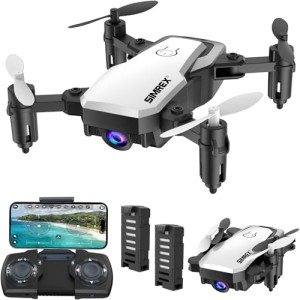
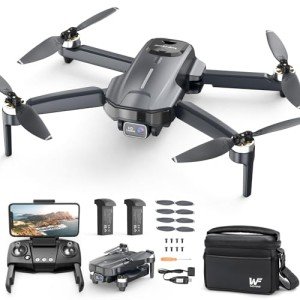
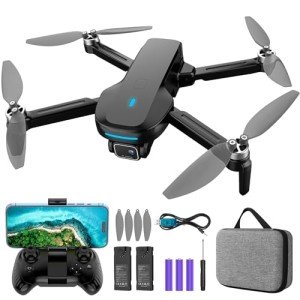
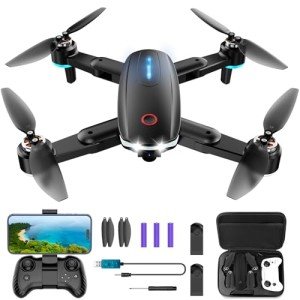
Why Start with a Beginner Drone?
Think of learning to fly a drone like learning to ride a bike. You wouldn't start with a racing bicycle, right? Beginner drones are built to be:
- More stable in the air
- Easier to control
- Tougher to crash
- Less expensive if accidents happen
Features to Look for in Your First Drone
Must-Have Features
- Altitude Hold: This keeps your drone steady at a set height, making it much easier to control
- Headless Mode: Don't worry about which way your drone is facing - just fly it in the direction you want
- Return-to-Home Button: If you get confused or lose sight of your drone, one button brings it back
- Propeller Guards: These protect both your drone and anything it might bump into
Nice-to-Have Features
- Basic Camera: Start capturing amazing views from above
- Multiple Speed Modes: Practice at slower speeds before going faster
- Extra Batteries: More flight time means more practice
- Auto Takeoff/Landing: Takes the stress out of the trickiest parts of flying
Where to Practice Flying
The best places to learn are:
- Open fields away from trees and buildings
- Empty parking lots early in the morning
- Your backyard (if it's big enough)
- Local parks (check drone rules first!)
Avoid flying:
- Near airports or helipads
- Over crowds or traffic
- In strong winds
- Near power lines
First Flight Tips
- Read the Manual: Yes, really! Each drone is different, and the manual has important safety info.
- Check the Weather: Pick a calm, clear day for your first flight. Wind is not your friend when learning.
- Start Low and Slow: Keep your drone close to the ground and use the slowest speed setting.
- Master the Basics: Practice these skills one at a time:
- Takeoff and landing
- Hovering in one spot
- Moving forward and backward
- Making simple turns
- Use the Buddy System: Having a friend watch your drone while you watch the controls can be really helpful.
Common Beginner Mistakes to Avoid
- Flying Too High Too Fast: Start low until you're comfortable with the controls
- Ignoring Battery Warnings: Land as soon as you get a low battery alert
- Flying Out of Sight: Always keep your drone where you can see it
- Skipping Pre-Flight Checks: Make sure everything's tight and working before each flight
Legal Stuff You Need to Know
Before you fly, make sure you:
- Register your drone if it weighs over 0.55 lbs (check your country's rules)
- Know local flying restrictions
- Stay below 400 feet
- Only fly during daylight hours
- Keep your drone in sight
Ready to Choose Your First Drone?
For absolute beginners, we recommend looking at:
- Smaller drones under $100 to learn the basics
- Models with good reviews for stability
- Drones that come with spare parts
- Options with practice modes or simulators
Remember, the best beginner drone isn't always the cheapest or the most expensive - it's the one that helps you learn safely while having fun!
Next Steps
Once you've mastered the basics with your beginner drone, you can:
- Practice more advanced moves
- Try flying in different conditions
- Upgrade to a drone with more features
- Join a local drone flying club
- Start taking aerial photos
Remember: everyone starts somewhere, and making mistakes is part of learning. Take your time, stay safe, and most importantly, have fun exploring the exciting world of drones!